Vegetables/Vegetables processed products
Ie Island Shallots


Product features
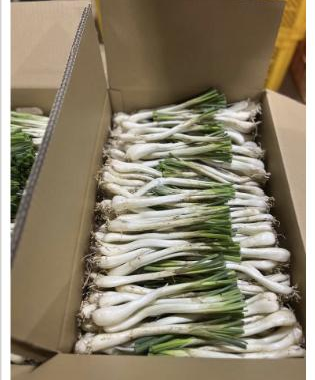
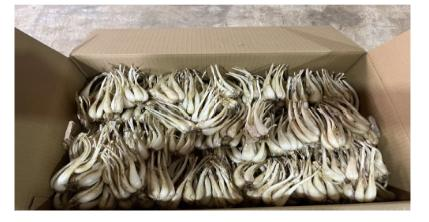
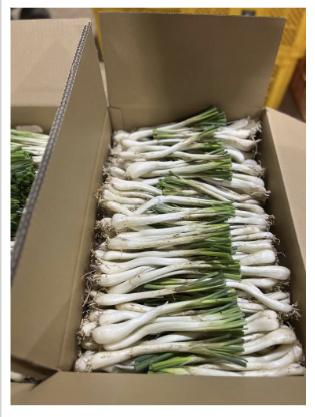
代々続く伊江島在来の種を植えて生産しています。沖縄県北部に位置する離党「伊江島」。沖縄の島らっきょうの8割が伊江島で生産されており、ミネラルたっぷりの土壌で育った島らっきょうは香り豊かで、シャキシャキとした食感がやみつきになります。豊富にあるサトウキビから出る根や枯れ葉、伊江島牛の堆肥を使った土作りをし減農薬化学肥料で栽培しており、減化学肥料によりえぐみが少なく、生で食べても美味しい島らっきょうです。
【調理方法】
薄皮を向き、生のまま炒め物、揚げ物、漬物など
[English]
Produced using seeds native to Iejima, a remote island in northern Okinawa Prefecture, 80% of Okinawa's island rakkyo are grown on Iejima. Grown in mineral-rich soil, these island rakkyo have a rich fragrance and an addictively crunchy texture.
These island rakkyo are grown using soil made from abundant sugarcane roots and dead leaves, as well as compost from Iejima cattle, and minimal pesticide and chemical fertilizer use. This reduces their bitterness and makes them delicious even when eaten raw.
[Cooking Instructions]
Peel off the thin skin and enjoy them raw in stir-fries, deep-fries, pickles, and more.
【調理方法】
薄皮を向き、生のまま炒め物、揚げ物、漬物など
[English]
Produced using seeds native to Iejima, a remote island in northern Okinawa Prefecture, 80% of Okinawa's island rakkyo are grown on Iejima. Grown in mineral-rich soil, these island rakkyo have a rich fragrance and an addictively crunchy texture.
These island rakkyo are grown using soil made from abundant sugarcane roots and dead leaves, as well as compost from Iejima cattle, and minimal pesticide and chemical fertilizer use. This reduces their bitterness and makes them delicious even when eaten raw.
[Cooking Instructions]
Peel off the thin skin and enjoy them raw in stir-fries, deep-fries, pickles, and more.
Product image
Product specifications
Product name | 伊江島産 島らっきょう PIe Island Shallots |
|---|---|
Country of origin | |
Description | (使用上の注意事項)/ Notes 適切な温度で保存を施さないと、商品の乾燥により重量の低下や品質の悪化がある If the product is not stored at the appropriate temperature, it may dry out, resulting in a loss of weight and deterioration of quality. |
Shipping details | |
Content | 10kg |
Date of manufacture | |
Shelf life (number of days) | |
Storage condition | 冷蔵(島らっきょうを新聞紙に包み0℃以上2℃以下で保存)/ Réfrigérer Refrigerate (Wrap the island rakkyo in newspaper and store at a temperature between 0°C and 2°C) |
Wholesale price in Japan | |
Weight per pcs | |
Size per pcs(L*W*H) | |
Weight per case | |
Package Size(L*W*H) | 25*60*25cm |
Ingredients | 島らっきょう / Oignons verts insulaires |
Allergy | |
Company name | 伊江村農家組合 畑シンカ Ie Village Farmers Association Hata Shinka |
JAN code | |
Case ITF code |
Nutrition Facts(100g)
Calories | 83 |
|---|---|
Protein | 1.4 |
Fat | 0.2 |
Carbohydrate | 29.3 |
Sodium | |
Iron | |
Salt |
Contact us
関連商品
-
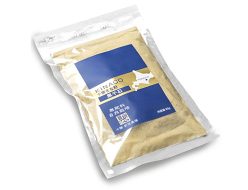
Tokachi Natural Fertilizer-Free Kurosengoku Soybean Flour (Uses Organic Kurosengoku)
No fertilizers and no pesticides. These soybeans are grown in this environment. The sweetness of the soybeans stands out, and the longer-than-usual roasting process makes the soybeans more flavoring.
-
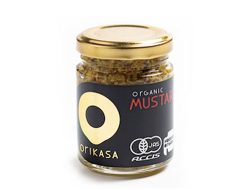
ORIKASA organic mustard
Japan's first domestic organic mustard made with vinegar, which is made from our own organic potatoes. We have made an original blend of three varieties of organic mustard produced in-house.
-
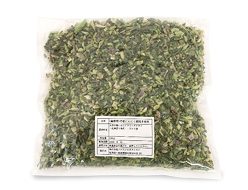
Coarsely ground ascetic garlic powder
This product is freeze-dried Gyoja garlic, a natural wild vegetable produced in Tokachi, Hokkaido.Gyoja garlic contains more allicin than general garlic.
-
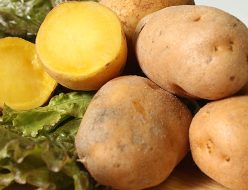
Inca no mezame (potato)
-
Taimo (frozen)
-
beet molasses
It is molasses from sugar beets.Molasses and honey have the advantage that they are rich in flavor and can be satisfying even in small quantities.